Economic Dialogue at International Forums: An Educational Overview
Understanding how global economic discussions occur and their potential household implications
The Role of International Economic Forums
International economic forums serve as venues where government officials, business leaders, and economic policymakers gather to discuss global economic issues. These forums provide opportunities for dialogue on trade policies, economic cooperation, and international financial matters that can influence economies worldwide.
One such forum is the annual World Economic Forum held in Davos, Switzerland. This gathering brings together diverse perspectives on economic challenges and opportunities facing the global economy. Understanding how these forums function provides educational context for how international economic policy develops.
Background on Economic Policy Discussions
Economic policy discussions at international forums typically involve representatives from various countries and organizations sharing perspectives on economic issues. These conversations can address topics including trade relationships, monetary policy coordination, financial regulation, and economic development strategies.
The format of these discussions varies. Some occur in formal panel sessions open to forum participants, while others take place in private bilateral meetings between specific delegations. Both types of dialogue contribute to the overall exchange of economic ideas and policy positions.
January 2025 Forum Dynamics
During the January 2025 World Economic Forum, various economic officials participated in discussions about current global economic conditions. Among the participants were representatives from multiple countries and international financial organizations, each bringing different perspectives on economic policy challenges.
These types of gatherings often feature direct exchanges between officials who may hold differing views on economic policy approaches. Such exchanges are a normal part of international economic dialogue, where various stakeholders present their perspectives on trade, monetary policy, and economic cooperation.
Understanding Economic Policy Differences
Different countries and organizations naturally maintain different approaches to economic policy. These differences stem from varying economic priorities, institutional structures, historical experiences, and national circumstances. International forums provide venues where these differences can be discussed and where common ground might be identified.
Policy discussions at these forums can be characterized by robust debate. Officials advocating for different approaches may present their cases strongly, which is a standard aspect of policy dialogue. The intensity of such discussions reflects the significance of the economic issues under consideration rather than personal animosity.
Trade Policy Perspectives
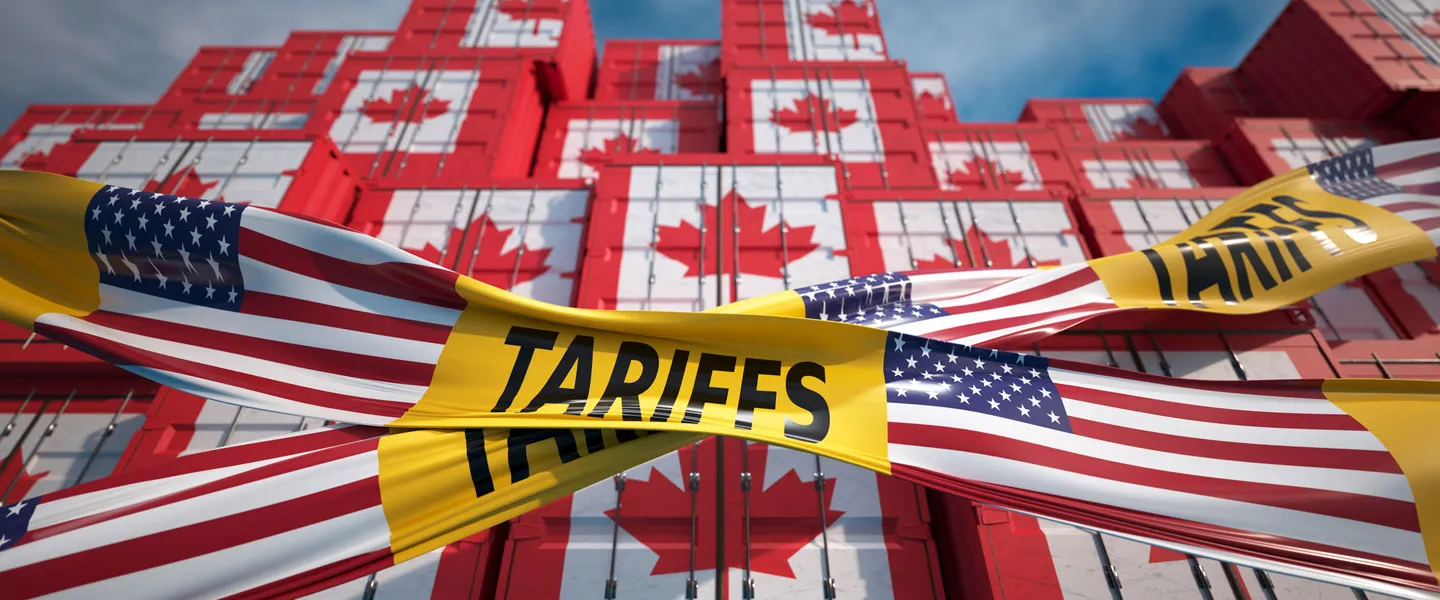
Trade policy represents one area where international economic officials frequently hold varying positions. Some officials emphasize protecting domestic industries through measures such as tariffs or trade restrictions, while others advocate for more open trade arrangements. Both perspectives reflect legitimate economic considerations and different assessments of national interests.
Discussions about trade policy at international forums allow officials to explain their positions, respond to concerns from other countries, and potentially identify areas for negotiation or compromise. These exchanges are informational in nature, providing insights into how different countries view trade relationships.
Central Banking and Monetary Policy Dialogue
Central bank officials and monetary policy experts also participate in international forum discussions. These officials bring technical expertise about monetary policy, inflation management, interest rates, and financial stability. Their perspectives contribute to broader conversations about global economic coordination.
Central banking officials typically maintain certain independence from direct political pressures, though the degree of this independence varies across countries. Their participation in international forums allows for technical discussion of monetary policy challenges facing different economies.
The Educational Value of Policy Debates
Observing policy debates at international forums provides educational value for those interested in understanding global economics. These discussions illustrate:
- The complexity of economic policy decisions
- The trade-offs inherent in different policy approaches
- How national interests can conflict or align
- The technical considerations underlying policy positions
- The role of evidence and analysis in policy formation
This educational perspective helps observers understand that economic policy involves weighing multiple considerations rather than following simple formulas.
Media Coverage of Economic Forums
International forums attract significant media attention, particularly when discussions involve prominent officials or contentious issues. Media coverage can emphasize dramatic moments or disagreements, as these make compelling news stories.
When consuming media coverage of economic forums, it can be helpful to distinguish between substantive policy disagreements and the presentation of those disagreements. Headlines may emphasize conflict or tension to attract readership, while the underlying policy issues may be more nuanced.
Multiple news sources often provide different perspectives on the same forum discussions, reflecting their editorial approaches and audiences. Consulting various sources can provide a more complete picture of what occurred and what different observers found most significant.
Potential Household Economic Implications
While international economic forums may seem distant from household finances, the policies discussed can eventually affect everyday economic conditions. Several potential connections exist:
Trade Policy Effects
Trade policies discussed at international forums can influence the prices consumers pay for imported goods. Tariff changes, trade agreements, or trade disputes may affect costs for various products, though the timeline and magnitude of such effects vary considerably.
Currency and Interest Rate Considerations
Monetary policy coordination discussed among central bankers can influence currency exchange rates and interest rate trends. These factors affect the cost of borrowing for mortgages, auto loans, and other credit, as well as returns on savings.
Investment Market Reactions
Financial markets often react to major policy announcements or significant disagreements revealed at economic forums. These reactions can affect retirement account values and other investments, though short-term market movements don't necessarily indicate long-term trends.
Employment Sector Effects
Economic policies emerging from international discussions can have varying effects on different employment sectors. Some industries may benefit from certain policy directions while others face challenges. Understanding these dynamics helps individuals contextualize developments in their own employment sectors.
Historical Context of Economic Disagreements
Economic disagreements at international forums are not unprecedented. Throughout modern economic history, officials have engaged in vigorous debates about proper economic policies. Past examples include disagreements about:
- Exchange rate systems and currency values
- Capital flow regulations
- Trade liberalization versus protection
- Fiscal and monetary policy coordination
- Responses to financial crises
Some of these historical disagreements were resolved through negotiation and compromise, while others persisted. The outcomes varied based on economic conditions, political circumstances, and the willingness of parties to find common ground.
The Resolution Process for Policy Differences
When economic officials disagree at international forums, several potential outcomes may follow. Sometimes the forum discussion itself leads to modified positions or new proposals. Other times, the disagreements continue but are channeled into formal negotiation processes.
Additional possibilities include agreeing to disagree while maintaining other areas of cooperation, forming coalitions of like-minded countries, or bringing disputes to international arbitration mechanisms. The specific path depends on the nature of the disagreement and the parties involved.
What Individuals Can Learn
For individuals interested in personal financial planning, awareness of international economic discussions provides broader context for economic conditions. While specific forum outcomes are difficult to predict, general awareness of policy directions can inform:
- Expectations about potential price changes for imported goods
- Considerations for diversification in investment portfolios
- Awareness of potential interest rate trends
- Understanding of employment sector vulnerabilities or opportunities
This awareness doesn't require making dramatic changes to personal financial plans based on individual forum discussions. Rather, it contributes to overall economic literacy and helps individuals understand broader economic forces.
Distinguishing Analysis from Advocacy
When reading about international economic forums, it's useful to distinguish between analytical reporting and advocacy for particular policy positions. Some sources aim to explain what happened and why it matters, while others argue for specific policy outcomes.
Analytical sources typically present multiple perspectives, explain the reasoning behind different positions, and acknowledge uncertainties about outcomes. Advocacy sources favor particular policies and may present opposing views less thoroughly or charitably.
Both types of content can be informative, but recognizing which type you're reading helps in evaluating the information presented.
The Ongoing Nature of Economic Dialogue
International economic forums represent moments in ongoing conversations about global economic policy. The discussions that occur at any single forum are part of longer-term processes involving multiple meetings, negotiations, and policy developments over time.
Dramatic moments or disagreements at forums may receive immediate attention, but their long-term significance often becomes clear only as subsequent events unfold. Some apparently contentious discussions lead to eventual compromise, while others signal sustained policy differences.
Staying Informed About Economic Developments
For those interested in following international economic discussions, several types of sources provide coverage:
- Financial news outlets specializing in economic coverage
- International organizations like the IMF, World Bank, and OECD that publish reports and analysis
- Central bank communications and policy statements
- Academic economic journals for more technical analysis
- Government economic agencies that track trade and economic data
Diverse sources help build comprehensive understanding of complex economic issues and the various perspectives surrounding them.
Practical Financial Planning Considerations
While international economic policy can seem abstract, several practical considerations connect these discussions to household financial planning:
Currency Exposure: Understanding potential currency fluctuations helps those planning international travel, making foreign purchases, or holding international investments.
Import-Dependent Purchases: Awareness of trade policy discussions may inform timing decisions for major purchases of imported goods.
Interest Rate Sensitivity: Monitoring monetary policy dialogue helps those with variable-rate debts or considering major borrowing decisions.
Employment Sector Awareness: Understanding which sectors face potential policy changes helps individuals assess their own employment situations.
Educational Note
This article provides general educational information about international economic forums and policy discussions. It does not constitute financial advice, economic forecasting, or recommendations for specific financial actions.
The information presented reflects general patterns in how international economic dialogue occurs and should not be interpreted as predicting specific policy outcomes or economic effects.
Individual economic circumstances vary significantly. Readers considering major financial decisions should consult with qualified financial professionals who can address their specific situations.
Information Currency
International economic policies and discussions evolve continuously. This article reflects general educational information as of February 2025. Readers interested in current developments should consult recent news sources and official economic publications.
Economic forum discussions represent ongoing conversations rather than final determinations. Policy positions expressed at forums may change as circumstances evolve and negotiations proceed.